Phase 1: Isolation
Immediate cessation of discretionary spending nodes to maximize liquidity.
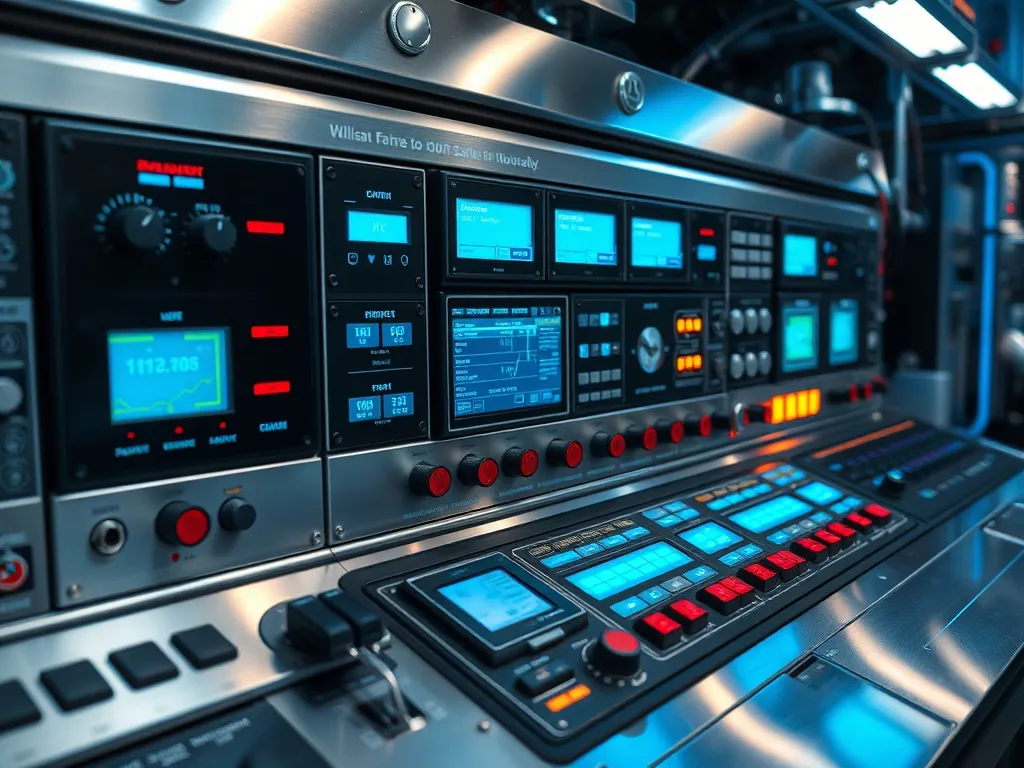
Implementation of technical maintenance cycles to ensure fiscal stability within residential units. This protocol outlines the mechanical recalibration of joint expenditure algorithms and the synchronization of capital data streams.

The quarterly recalibration cycle functions as a mid-range diagnostic tool. During this phase, the system analyzes the last 90 days of fiscal throughput. The primary objective is to identify "creep"—gradual increases in variable expenses that do not align with the original FCP parameters.
Technicians (partners) must review all automated subscriptions, utility fluctuations, and discretionary spending nodes. If the variance is positive (surplus), assets are redirected to the Capital Reserve Buffer. If negative, a redistribution algorithm is applied to stabilize the system for the next cycle.
"All data inputs must be verified against bank-issued statements to ensure 99.9% accuracy in the audit report."
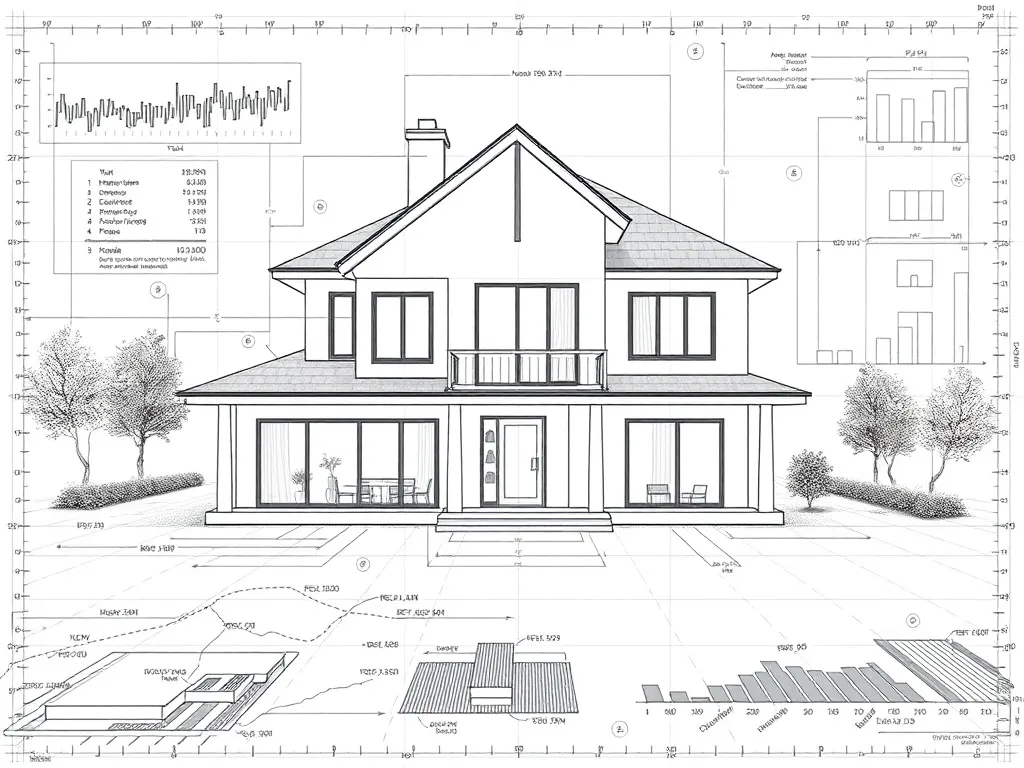
The annual review is the highest level of systemic audit within the Hollow Lane Home framework. It involves a comprehensive analysis of the year's total asset accumulation and the efficiency of the information exchange protocols.
This cycle is not merely about tracking; it is about strategic re-alignment. Long-term objectives, such as large-scale property improvements or investment diversifications, are integrated into the primary operating code for the upcoming 12-month period.
When the system encounters an unpredicted fiscal shock—such as a sudden mechanical failure in the residential unit or a disruption in income streams—the Emergency Override Protocol (EOP) is triggered. This protocol suspends all non-essential capital outflows and prioritizes system integrity.
Immediate cessation of discretionary spending nodes to maximize liquidity.
Quantification of the shock magnitude and calculation of recovery duration.
Assimilation of the recovery plan into the next quarterly recalibration cycle.
Adherence to the EOP ensures that emotional responses do not compromise the technical stability of the partnership. For detailed logic gates regarding these scenarios, refer to our Decision Logic documentation.
Access the full suite of technical documentation and case studies to implement these maintenance cycles in your own residential unit.