Real-time Ledgering
Continuous tracking of micro-transactions to prevent end-of-cycle reporting shocks.
Technical systems for fiscal oversight, data synchronization, and automated asset tracking within residential partnerships.
The integration of software interfaces serves as the primary mechanism for financial transparency between partners. Standardized digital ledgers allow for real-time synchronization of expenditure data, eliminating the latency inherent in manual accounting. These interfaces are designed to operate on a principle of mutual accessibility, ensuring that both nodes in the partnership have identical views of the capital flow.
By utilizing Data Synchronization protocols, the system automatically flags discrepancies in input. This algorithmic approach reduces the probability of verbal friction by providing an objective, data-driven baseline for all fiscal discussions. The interface remains the neutral ground where subjective perception is replaced by quantitative reality.
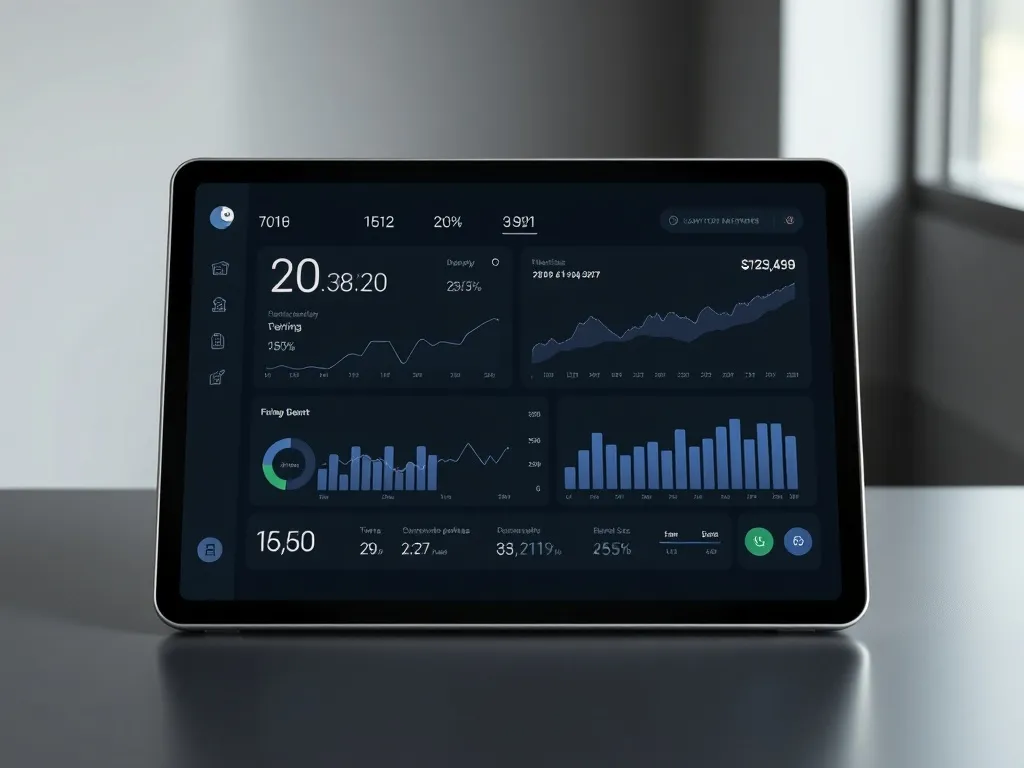
Continuous tracking of micro-transactions to prevent end-of-cycle reporting shocks.
Automated alerts for budget deviations based on pre-set mathematical thresholds.
Immutable records of all fiscal entries to ensure long-term accountability and historical tracing.
Automated reporting functions as a periodic system heartbeat, generating comprehensive summaries of financial health without requiring manual trigger events. These reports are structured to categorize expenditures into fixed costs, variable investments, and discretionary outflows. By automating this process, the infrastructure removes the emotional burden of "bringing up money," as the data delivery is scheduled and predictable.
The mechanism utilizes Binary Resolution Logic to categorize every dollar spent. If an expenditure exceeds the defined variance within a specific category, the system generates a "Query Flag." This allows partners to address specific anomalies rather than debating general spending habits. According to internal benchmarks, partnerships utilizing automated reporting see a 40% reduction in unplanned fiscal discussions.
"The transition from manual tracking to automated reporting shifts the focus from 'Who spent what?' to 'How is the system performing?' This depersonalization of data is critical for maintaining long-term operational stability."
Furthermore, the reporting infrastructure supports multi-currency conversion and inflation adjustment metrics, ensuring that the purchasing power of the shared capital is accurately represented over time. This is particularly relevant for long-term asset management where nominal values may mask real-term depreciation. The system operates on a 30-day cycle, culminating in a "System Audit" where all flags are resolved.
Integration with Decision Logic modules allows the reporting tool to propose adjustments to future budget allocations based on past performance. If a specific category consistently operates at a deficit, the algorithm suggests a re-allocation of resources from surplus sectors, maintaining the overall equilibrium of the household unit.
The integrity of financial data is maintained through multi-layer encryption protocols. All fiscal records are stored in decentralized nodes to prevent data loss or unauthorized tampering. Security is not merely a technical requirement but a foundational element of trust within the monitoring infrastructure.

| Parameter | Baseline Value | Optimization Target |
|---|---|---|
| Sync Latency | 1.2 Seconds | < 0.5 Seconds |
| Reporting Accuracy | 99.8% | 100.0% |
| Conflict Resolution Speed | 48 Hours | 12 Hours |
| Data Retention | 7 Years | Indefinite |
Begin the transition to automated monitoring to stabilize your residential fiscal environment and eliminate verbal friction.